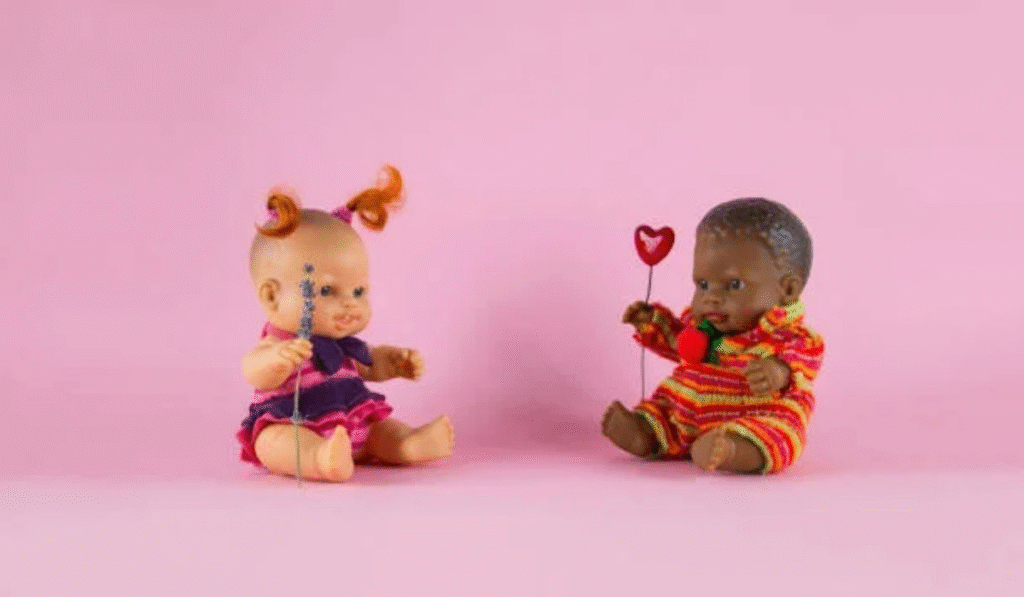
Babybelletje: A Sweet Dutch Term of Endearment Full of Warmth and Meaning
When we come across words like babybelletje, it immediately gives off a soft and cozy feeling. Even if we don’t speak Dutch fluently, the sound of it alone feels affectionate and gentle. And that is exactly what it is meant to be.
Babybelletje is a Dutch term of endearment that translates loosely to “little baby bell.” It is not just a literal phrase, but something people use to express care, love, and emotional closeness. In everyday life, we often look for cute names for the people we love, and this word fits perfectly into that emotional space.
Breaking Down the Word Babybelletje
To really understand babybelletje, it helps to break it into parts:
- Baby → This part is easy. It refers to a baby, something small, innocent, and precious. In many languages, “baby” is used as a term of affection even for adults in relationships.
- Belletje → This comes from the Dutch word bel, meaning “bell.” The suffix -tje is a diminutive form, which makes something sound smaller and cuter. So belletje means “little bell.”
Put together, babybelletje creates a playful and soft expression: “little baby bell.”
Even though the literal meaning might sound unusual, the emotional meaning is what truly matters. It’s not about bells or objects—it’s about warmth, cuteness, and affection.
The Emotional Meaning Behind Babybelletje
Words like babybelletje are not just vocabulary—they are feelings wrapped in language.
When someone calls another person babybelletje, they are usually expressing:
- Affection and love
- Soft emotional attachment
- Playfulness in the relationship
- A sense of protection
- Fondness for someone’s innocence or cuteness
It’s the kind of word you don’t use in formal situations. Instead, it belongs in private conversations, sweet messages, or playful moments between people who share a close bond.
We can think of it as a verbal hug—something small, but emotionally meaningful.
How Babybelletje Is Used in Everyday Life
In Dutch-speaking contexts, affectionate nicknames are very common. Babybelletje fits into this culture of using cute, sometimes funny-sounding words to show love.
We might see it used in situations like:
1. Between Romantic Partners
A partner might call the other babybelletje during a sweet or playful moment. It adds softness to the relationship and creates emotional closeness.
For example:
- “Good morning, babybelletje.”
- “Miss you, babybelletje.”
It’s not serious or formal—it’s warm and intimate.
2. For Babies or Small Children
Since the word includes “baby,” it naturally fits when talking to children. Parents or grandparents might use it in a loving, playful way.
For example:
- “Come here, babybelletje.”
- “Did you sleep well, my little babybelletje?”
It becomes a gentle way of speaking that comforts the child.
3. Playful Friendships
Sometimes close friends also use affectionate nicknames like this, especially in lighthearted conversations. It can be humorous, exaggerated, or just a fun way to express closeness.
For example:
- “Hey babybelletje, what are you doing?”
Even if it sounds unusual, the tone matters more than the literal meaning.
Why People Use Cute Terms Like Babybelletje
We all use affectionate language in different ways. Some say “babe,” some say “sweetheart,” and others create completely unique words like babybelletje.
But why do we do this?
1. To Show Emotional Closeness
Using a nickname makes communication feel more personal. It tells the other person: “You are special to me.”
2. To Create Intimacy
Language shapes relationships. When we use soft and playful words, we create a private emotional space between two people.
3. To Express Playfulness
Not all love is serious. Sometimes it’s silly, fun, and lighthearted. Words like babybelletje capture that playful energy perfectly.
4. To Strengthen Bonds
Small habits in language build stronger emotional connections over time. A nickname becomes part of shared identity in a relationship.
The Sound of Babybelletje Matters Too
One of the most interesting things about this word is how it sounds.
Even if someone doesn’t know Dutch, they can still feel that it is soft and affectionate. The repeated “-tje” ending gives it a light, almost musical tone.
Say it slowly:
ba-by-bel-let-je
It feels gentle, almost like a lullaby. That is one reason why words like this become emotionally powerful—they don’t just carry meaning, they carry sound emotion too.
Cultural Side of Dutch Diminutives
Dutch language is known for its frequent use of diminutives. Adding “-je” or “-tje” at the end of words is very common.
This does two things:
- Makes things sound smaller
- Makes things sound cuter or more affectionate
So instead of just saying something directly, Dutch speakers often soften it.
Babybelletje is a perfect example of this linguistic habit. It takes ordinary words and turns them into something emotionally expressive.
Babybelletje in Modern Digital Communication
In today’s world, we don’t just speak these words—we text them, send them in messages, or even use them as usernames or pet names online.
We might see babybelletje used in:
- WhatsApp chats
- Instagram captions
- Cute comments on posts
- Nicknames in contact lists
For example:
- “Good night, babybelletje ”
- “My little babybelletje is the cutest”
It fits perfectly in digital communication because it is short, expressive, and emotionally rich.
The Psychology Behind Words Like Babybelletje
From a psychological point of view, affectionate nicknames help strengthen emotional security in relationships.
When someone uses a soft, playful name:
- It increases feelings of belonging
- It builds emotional comfort
- It reduces emotional distance
- It creates positive associations with the relationship
Even small words can trigger emotional responses. Hearing a nickname repeatedly can make it feel like part of identity.
So when someone is called babybelletje, it is not just a word—it becomes a feeling of being cared for.
Similar Terms in Other Languages
Almost every language has its own version of affectionate nicknames.
For example:
- English: babe, baby, sweetheart
- Spanish: mi amor, cariño
- French: mon petit chou, mon amour
- German: Schatz, Liebling
But babybelletje stands out because it feels more playful and imaginative. It is not just a standard word—it feels almost creative and unique.
When Not to Use Babybelletje
Even though it is a cute and loving word, context matters.
We would not use babybelletje in:
- Formal conversations
- Professional environments
- Serious discussions
- With people who are not close to us
Using affectionate nicknames requires emotional comfort between people. Otherwise, it might feel too informal or out of place.
Why Babybelletje Feels So Special
There is something magical about words that are not strictly logical but emotionally expressive. Babybelletje is one of those words.
It feels:
- Soft
- Playful
- Emotional
- Intimate
- Personal
It is not just about meaning—it is about feeling. And that is why it stands out.
We don’t just say it—we feel it when we say it.
Final Thoughts
Babybelletje may seem like a small and simple Dutch word, but it carries a lot of emotional weight. It represents affection, closeness, and the playful side of love. Whether used between partners, family members, or even in a joking friendly way, it adds warmth to communication.